
India Marine War Risk: Coverage Against Drones, Hybrid Threats
Updated: Sep 27, 2025
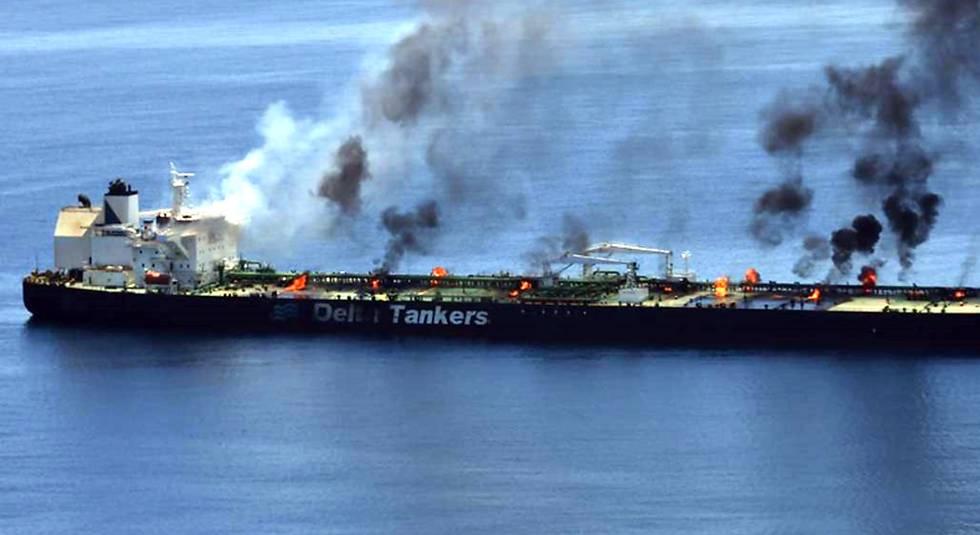
Table of Contents
What Defines Modern Maritime Security Threats?
Why Traditional Piracy Coverage Falls Short for Indian Fleets
Adapting War Risk Policies to Cover Hybrid Threats
Operational Realities in Geopolitical Hotspots for Indian Ships
FAQs
War risk insurance has consistently been a critical safeguard for Indian shipowners with vessels and cargo trading all over the world. Typically, war risk insurance has been used to safeguard against conflicts and the risk of piracy, notably off the coast of Somalia and in the Gulf of Aden. However, the security risk environment has changed dramatically. The risks for India's extensive maritime trade, are not so much armed robbery as politically motivated, sophisticated attacks.
This shift requires that the Indian marine insurance policies issued, and the worldwide reinsurance they are issued upon, must evolve to cover these new risks and protect the supply chains that are vital to the Indian economy.
What Defines Modern Maritime Security Threats?
For Indian shipping, modern threats are complex, blurring the lines between crime, terrorism, and international conflict. These risks are now commonplace on critical routes that connect India to the West and Middle East:
Weaponized Drones and Missiles: Attacks (such as those seen in the Red Sea) on commercial vessels are now a reality, even affecting ships with Indian crew or bound for Indian ports.
Maritime Hybrid Warfare: Coordinated actions that use both physical strikes and digital attacks (cyber intrusion) to disrupt ship systems or navigation.
State-Sponsored Cyber Warfare: Highly sophisticated attacks aimed at crippling port operations or capturing sensitive cargo data on commercial vessels.
Geopolitical Hotspots: Operating in contested seas, such as the Red Sea and the Arabian Sea, where rising political tensions severely elevate the risk of detention, seizure, or damage.
Why Traditional Piracy Coverage Falls Short for Indian Fleets
Standard Indian Hull & Machinery (H&M) and Cargo policies typically exclude damage caused by war, civil war, and terrorism. While Kidnap & Ransom (K&R) policies cover the financial risk of piracy, they are often inadequate for the new threats:
Old Threat (Piracy) | New Threat (Hybrid Warfare / Drones) |
Simple Theft: Goal is ransom or cargo. | Strategic Disruption: Goal is political influence, trade disruption, or military signalling. |
Physical Risk: Armed boarding and detention. | Technological Risk: Damage from explosives, missiles, or ship control system takeovers. |
Clear Zones: Focused zones like the Gulf of Aden. | Dynamic Hotspots: Risk premiums change weekly across major routes like the Red Sea. |
The central issue is that damage from new weaponry (like drones) often triggers the "War Exclusion" clause in standard policies, leaving the Indian shipowner or cargo owner exposed without updated, specific war risk coverage.
Adapting War Risk Policies to Cover Hybrid Threats
Indian insurers rely on the global reinsurance market (governed by the London-based Joint War Committee) to provide this specialized cover. The market is responding by:
Dynamic Premiums: For Indian vessels transiting the Gulf of Aden or the Red Sea, insurers issue Notices of Cancellation (NoC), compelling shipowners to pay substantial Additional Premiums (often called "Breach Premiums") for temporary coverage in these areas.
Expanded Definitions: War Risk policies are slowly being adapted to cover unique risks like damage from unmanned vehicles and specific, geopolitically motivated cyber attacks on operational systems.
Consequential Loss Focus: Coverage increasingly addresses the massive financial fallout, such as the cost of having a vessel detained, rerouted, or delayed in a foreign port due to conflict.
Operational Realities in Geopolitical Hotspots for Indian Ships
Indian shipowners operate under heightened scrutiny in high-risk zones, requiring careful insurance compliance. Key operational steps linked to insurance include:
Mandatory Reporting: Insurers require immediate notification and compliance checks for any vessel trading in JWC-listed areas. Non-compliance can void the entire policy.
Crew Protection: Given the high number of Indian seafarers, coverage must explicitly address crew injury, death, or capture resulting from these modern attacks.
Route Review: Shipowners must consult their brokers weekly to review war risk rates and decide if the cost of the additional premium is worth the risk of transiting a volatile area versus the expense of re-routing around the Cape of Good Hope.
FAQ's
What is a maritime hybrid threat?
It’s a combined attack using both digital methods and physical methods to cause disruption.
Are drone attacks usually covered by standard hull insurance?
No; they are typically excluded by the war clause and require specific war risk add-on coverage.
How do insurance premiums change for the Red Sea route?
They become highly volatile, with shipowners having to pay substantial "Breach Premiums" for cover.
What is the biggest advantage of updated War Risk policies?
They cover physical and financial losses caused by politically motivated acts that standard policies exclude.
Is my Indian cargo covered if the ship is diverted due to Red Sea attacks?
Cargo policies generally cover the delay, but War Risk cover for the physical cargo must be checked for the specific route.


